
Welcome to ORVEX biomedical research.

Research Area: Reproductive Endocrinology & Molecular Research
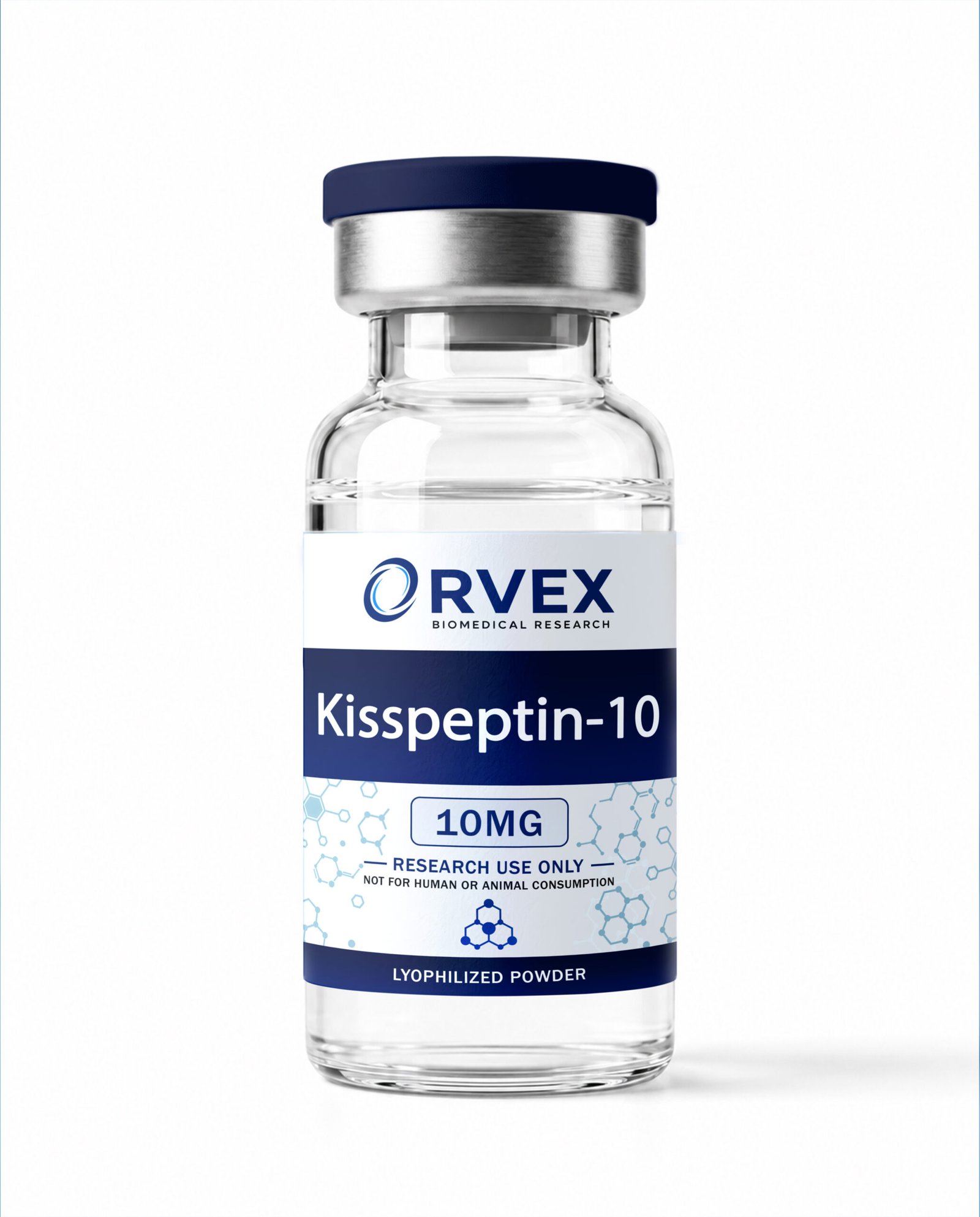
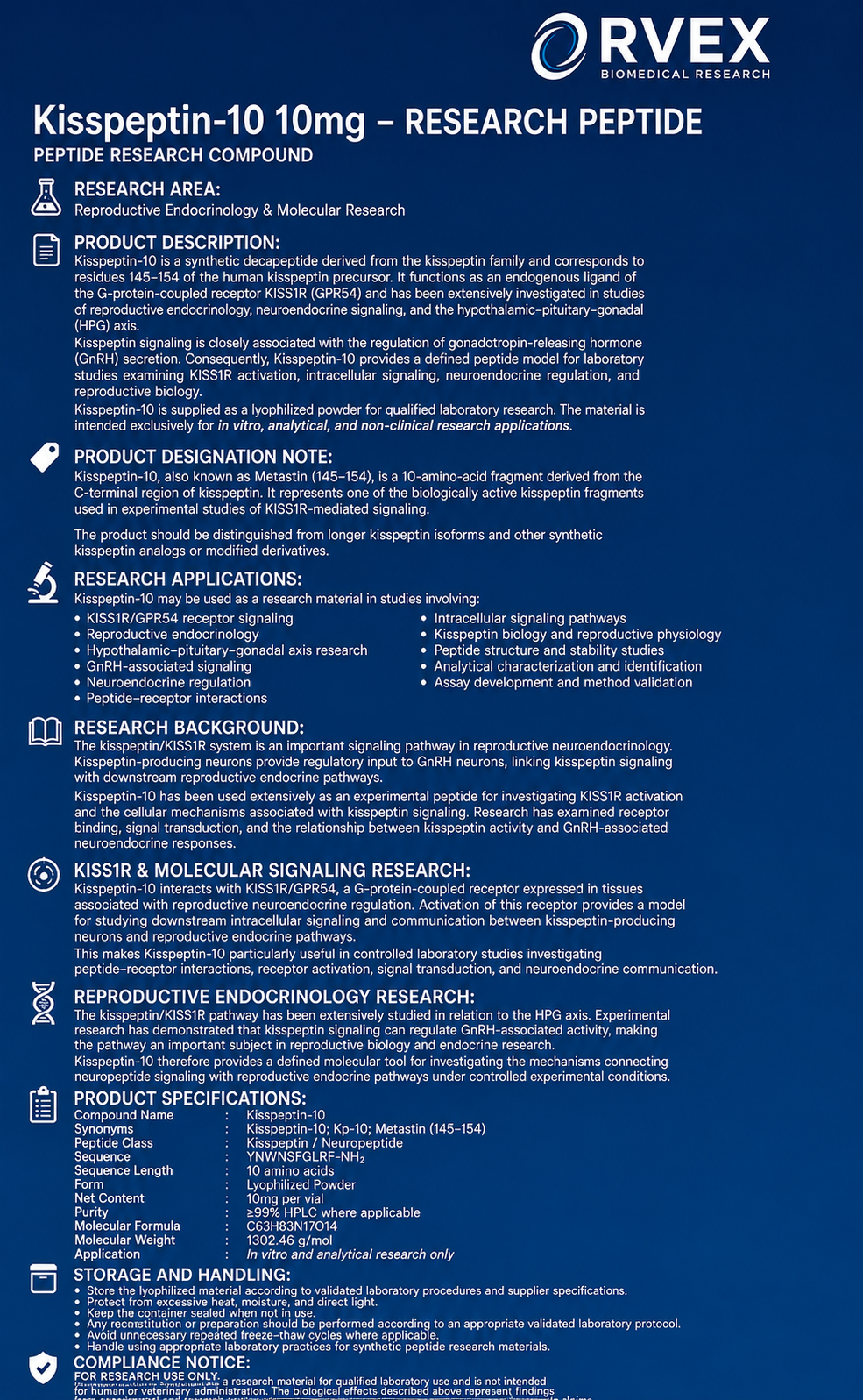
Kisspeptin-10 is a synthetic 10-amino-acid peptide corresponding to residues 145–154 of kisspeptin. It functions as a ligand of the KISS1R/GPR54 receptor and is extensively studied in relation to reproductive neuroendocrinology, GnRH-associated signaling, and the hypothalamic–pituitary–gonadal axis.
Supplied as a lyophilized powder for qualified laboratory research and intended exclusively for in vitro and analytical studies involving peptide–receptor interactions, neuroendocrine signaling, reproductive biology, and molecular research.
Storage: Store according to validated laboratory and supplier specifications, protected from excessive heat, moisture, and direct light.
FOR RESEARCH USE ONLY. Not intended for human or veterinary use.
$40.00
Research Area: Reproductive Endocrinology & Molecular Research
Kisspeptin-10 is a synthetic decapeptide derived from the kisspeptin family and corresponds to residues 145–154 of the human kisspeptin precursor. It functions as an endogenous ligand of the G-protein-coupled receptor KISS1R (GPR54) and has been extensively investigated in studies of reproductive endocrinology, neuroendocrine signaling, and the hypothalamic–pituitary–gonadal (HPG) axis.
Kisspeptin signaling is closely associated with the regulation of gonadotropin-releasing hormone (GnRH) secretion. Consequently, Kisspeptin-10 provides a defined peptide model for laboratory studies examining KISS1R activation, intracellular signaling, neuroendocrine regulation, and reproductive biology.
Kisspeptin-10 is supplied as a lyophilized powder for qualified laboratory research. The material is intended exclusively for in vitro, analytical, and non-clinical research applications.
Kisspeptin-10, also known as Metastin (145–154), is a 10-amino-acid fragment derived from the C-terminal region of kisspeptin. It represents one of the biologically active kisspeptin fragments used in experimental studies of KISS1R-mediated signaling.
The product should be distinguished from longer kisspeptin isoforms and other synthetic kisspeptin analogs or modified derivatives.
Kisspeptin-10 may be used as a research material in studies involving:
The kisspeptin/KISS1R system is an important signaling pathway in reproductive neuroendocrinology. Kisspeptin-producing neurons provide regulatory input to GnRH neurons, linking kisspeptin signaling with downstream reproductive endocrine pathways.
Kisspeptin-10 has been used extensively as an experimental peptide for investigating KISS1R activation and the cellular mechanisms associated with kisspeptin signaling. Research has examined receptor binding, signal transduction, and the relationship between kisspeptin activity and GnRH-associated neuroendocrine responses.
Kisspeptin-10 interacts with KISS1R/GPR54, a G-protein-coupled receptor expressed in tissues associated with reproductive neuroendocrine regulation. Activation of this receptor provides a model for studying downstream intracellular signaling and communication between kisspeptin-producing neurons and reproductive endocrine pathways.
This makes Kisspeptin-10 particularly useful in controlled laboratory studies investigating peptide–receptor interactions, receptor activation, signal transduction, and neuroendocrine communication.
The kisspeptin/KISS1R pathway has been extensively studied in relation to the HPG axis. Experimental research has demonstrated that kisspeptin signaling can regulate GnRH-associated activity, making the pathway an important subject in reproductive biology and endocrine research.
Kisspeptin-10 therefore provides a defined molecular tool for investigating the mechanisms connecting neuropeptide signaling with reproductive endocrine pathways under controlled experimental conditions.
| Compound Name | Kisspeptin-10 |
|---|---|
| Synonyms | Kisspeptin-10; Kp-10; Metastin (145–154) |
| Peptide Class | Kisspeptin / Neuropeptide |
| Sequence | YNWNSFGLRF-NH₂ |
| Sequence Length | 10 amino acids |
| Form | Lyophilized Powder |
| Net Content | 10mg per vial |
| Purity | ≥99% HPLC where applicable |
| Molecular Formula | C63H83N17O14 |
| Molecular Weight | 1302.46 g/mol |
| Application | In vitro and analytical research only |
FOR RESEARCH USE ONLY.
Kisspeptin-10 is supplied as a research material for qualified laboratory use and is not intended for human or veterinary administration. The biological effects described above represent findings from experimental and research studies and should not be interpreted as established therapeutic claims.
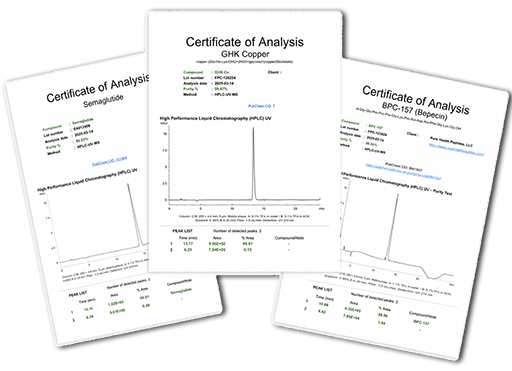
Orvexbio Research Transparency is essential. Every batch undergoes independent third-party testing in the USA, with Certificates of Analysis (COAs) readily available for verification, providing researchers with confidence in the quality and consistency of their work.
To provide the best experiences, we use technologies like cookies to store and/or access device information. Consenting to these technologies will allow us to process data such as browsing behavior or unique IDs on this site. Not consenting or withdrawing consent, may adversely affect certain features and functions.
Added to cart
Check out our shop to see what's available